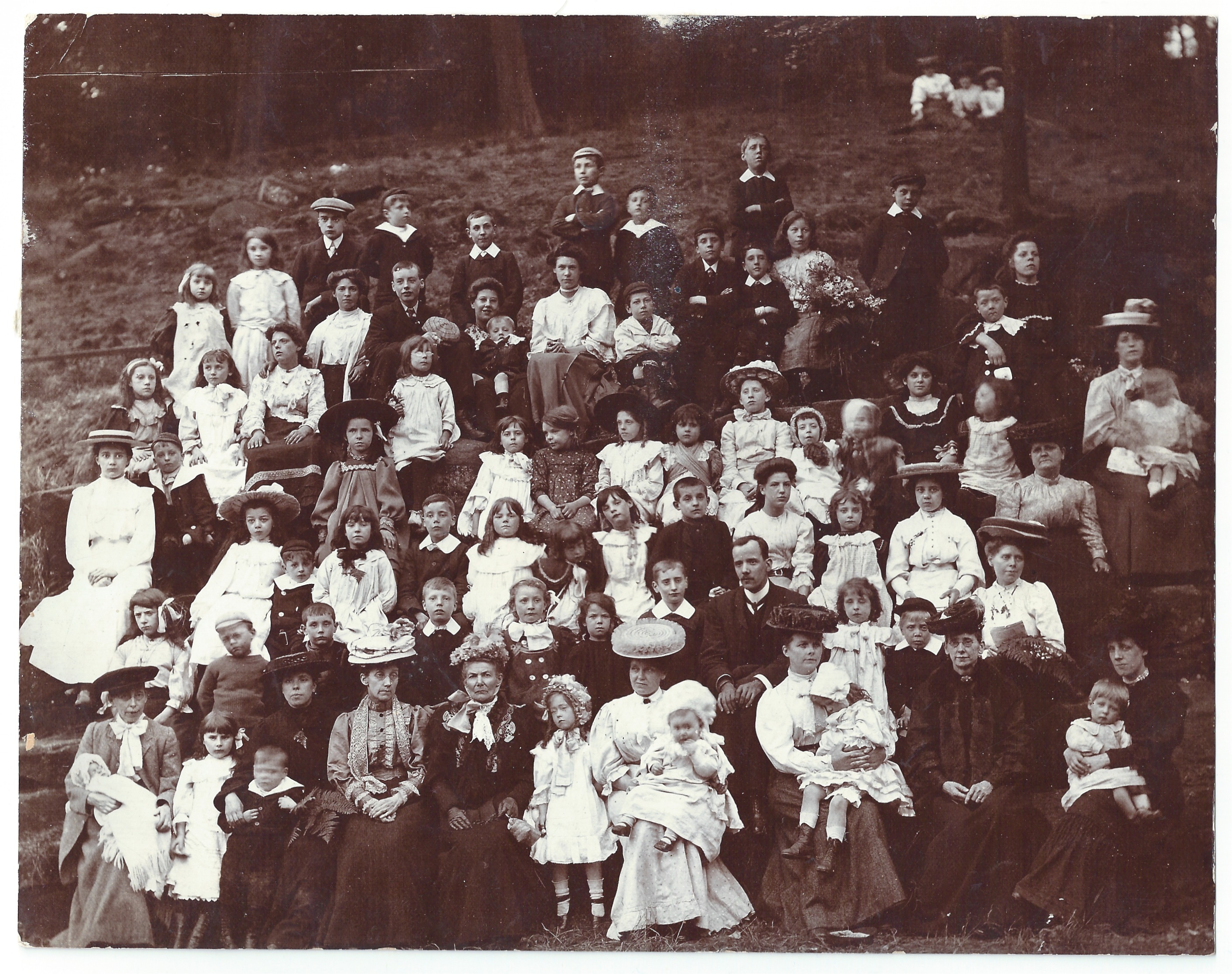
It is said that we die three times. Once when we stop breathing, once when our body decays to dust and finally when our name is spoken for the last time. I say that this is said, but proving who said it is difficult. It’s often attributed to Nobel prize-winning Mexican writer Octavio Paz, but I’d welcome any proof or feedback on an original source.
Other cultures too have strong beliefs around connections with ancestors, and the power of ancestors to intercede in our present-day lives. Moreover, on a scientific level DNA is telling us more and more about the ways our ancestry explains who we are. Before the internet, television and books, ancestor stories would have been the ways in which knowledge and wisdom would have been passed on. Some Chinese families have a jiapu; a family history and lineage passed down the generations. Around twenty-thousand jiapu are thought to exist, some tracing one family line back almost one thousand years. However we want to think about these things, we almost all have a strong desire to know more about where we came from.
In England we enjoy the benefit of good record keeping extending back to around 1837. From this date forward most births, marriages and deaths were centrally registered. Before then, and extending back to the mid sixteenth century, we have many surviving parish registers which can often help trace back family lines, particularly when triangulated with other records. Papers decay and get lost, family archives get thrown away, photographs lose touch with the last person who could put names to faces; it feels important to rage against this dying of the light; to brush away the cobwebs; and to search the archives for buried treasure all in an attempt to uncover the stories of our ancestors, and in so doing restore them to life and offer them thanks.
That’s the purpose of this blog.
 My Ancestors